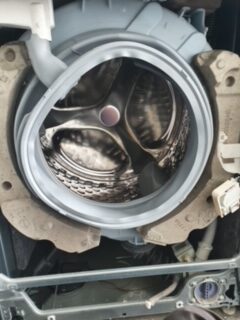
Washing Machine Drum Cleaning: The Complete Guide to a Fresher, Longer-Lasting Appliance
Your washing machine works hard every day, helping keep your clothes clean, load after load.
Still, residues can build up inside the appliance, causing unpleasant smells and stained laundry.
For that reason, knowing how to clean the washing machine drum correctly is vital for hygiene and for protecting your garments.
In this detailed guide, we explain why drum cleaning matters, how to spot warning signs, and the best methods for keeping your machine in excellent condition.
Why Cleaning Your Washing Machine Drum Matters
A machine that is constantly filled with water and detergent still needs cleaning.
Modern low-temperature wash cycles often don’t fully break down grease, detergent residue, and limescale.
As a result, bacteria and black mould can thrive.
Routine cleaning brings several important advantages:
Eliminates odours: Prevents mildew and bacteria from passing bad smells onto fresh laundry.
Maintains hygiene: Removes invisible germs, helping keep family clothes hygienic.
Prevents stains: Stops old grease and sludge marks from appearing on freshly washed garments.
Extends appliance lifespan: Limits scale build-up, reducing wear on internal parts.
Improves Efficiency: It lets water and detergent move freely, producing a better wash each time.
Common Signs of a Dirty or Smelly Drum
Before a machine fails, it usually shows warning signs.
Watch for these typical indicators:
Musty odours: If clothes come out smelling damp, or you notice a bad smell when you open the door, the drum likely has a bacterial biofilm build-up.
Dark residue or sludge: Marks on the rubber door seal or black, greasy flakes on clothing are trapped organic matter.
Subpar washing results: If white items look dull or fabrics still feel a little filmy after a cycle, restricted water flow caused by scale.
Comparing Safe DIY Drum Cleaning Solutions
Several approaches are available when you’re dealing with grime.
Here is a comparison of common options:
Chemical tablets and powders: These products are made for washing machines and work well at removing stubborn grease and heavy limescale quickly.
But if used too much, they can be harder on older rubber parts.
Lemon juice: Because it is naturally acidic and pleasantly scented, lemon juice works as a mild disinfectant, though it is generally best combined with vinegar for a deeper clean.
Step-by-Step Home Cleaning Method
If you want to freshen your washing machine using a natural or powder-based method, follow these straightforward steps:
1. Clean the door seal first: Combine a small amount of warm water with white washing-up liquid (or white vinegar).
Then use a cloth or old toothbrush to remove mould or hair in the door gasket.
2. Clear the dispenser drawer: Take out the detergent drawer, wash it well in the sink to clear away old powder build-up and mould, and then put it back.
3. Add the cleaner: For a natural method, pour 2 cups of white vinegar directly into the detergent drawer and sprinkle 1/4 cup of baking soda into the drum.
Otherwise, follow the exact dosage guidance on a specialist descaler tablet or powder.
4. Run a hot cycle: Select the highest temperature setting on your washing machine (usually 60°C or 90°C) and run a regular cycle with a descaler and no laundry inside.
5. Air out the machine: After the cycle ends, wipe the inside of the drum and leave the door and detergent drawer slightly open so air can circulate.
Essential Safety Tips
Always unplug before scrubbing: If you are cleaning accessible internal parts by hand or working on seals, disconnect the machine from the mains power supply first.
Never mix bleach and vinegar: If you use bleach for heavy mould, don’t mix it with vinegar, since this produces dangerous toxic gases.
Always follow with a plain water rinse cycle.
Check pockets: Empty coins and tissues from pockets regularly before washing to stop them from blocking the drum drainage system.
When a Deep Clean Isn’t Enough: Professional Repairs
Regular maintenance can solve most minor smells and light residue issues.
However, persistent problems may indicate a mechanical fault.
If you see leaks around the base or hear a loud rumbling during a spin cycle.
If the drum is loose, or you find heavily torn door seals that hold water, cleaning alone will not fix the underlying issue.
Deposits, mould, or damaged seals point to a deeper problem; more in-depth inspection is needed.
Need Local Help in Cheshunt and Hertfordshire
If your washing machine requires more than a basic surface clean, BA Repairs is your trusted local engineer.
We offer fast, dependable support, including same-day drum deep-cleans, seal replacements, and full diagnostic visits across Cheshunt and throughout Hertfordshire.